
What 'small' versus 'midsize' SUV actually means
Automotive size labels are shorthand that help buyers compare models, but they are not uniform. Consumer-facing categories like IIHS small-SUV are meant to help shoppers compare crash ratings within a similar group, while regulatory categories use measured footprints and thresholds for policy and labeling.
The Insurance Institute for Highway Safety assigns the Equinox to a small-SUV category for consumer comparisons, which highlights how industry safety sources group similar models for rating purposes IIHS vehicle ratings.
Major consumer safety and specification sources generally classify the Equinox as a compact or small SUV, but because regulatory footprints can use different thresholds you should verify exact model-year exterior and cargo specs, EPA fuel-economy, and safety ratings for the trim you plan to buy.
Government datasets use different methods. For regulatory and fleet analysis the EPA applies footprint-based size classes that can place a vehicle differently than a consumer-facing small versus midsize label EPA vehicle size classification and footprint.
For buyers this means the single label matters less than the practical differences behind it: cargo and passenger volume, seating layout, and EPA fuel-economy figures that affect daily use and ownership costs.
How the Equinox measures up: key dimensions and specs to check
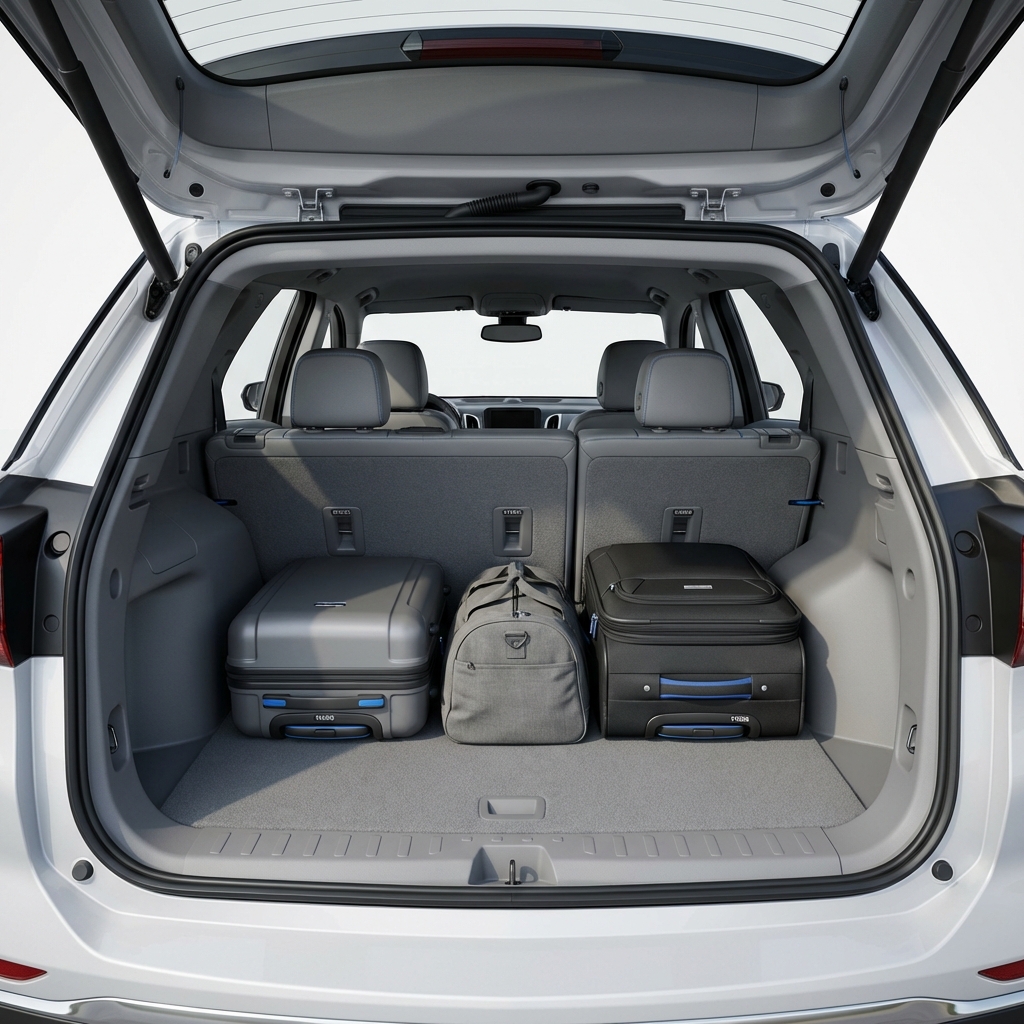
When comparing the Equinox for your needs, start with manufacturer-published exterior length, wheelbase, and cargo volume. These numbers are the most direct way to see whether the vehicle fits your space and usage requirements Chevrolet specs.
Recent Equinox model years list exterior length near 183 inches and a maximum cargo volume that is consistent with compact-segment rivals, figures that buyers should confirm for the exact year and trim they are evaluating Edmunds specs. See a J.D. Power review 2025 Chevrolet Equinox Review.
The Equinox is configured for five passengers across most trims, and powertrain choices vary by model year and region. Because engine and drivetrain options change curb weight and fuel economy, verify the exact powertrain when you compare EPA mpg and cargo figures.
Always check the manufacturer page or dealer listing for the model year and trim you plan to buy, and confirm those numbers against EPA model pages for fuel-economy and footprint data before you decide.
Why most sources call the Equinox a compact (small) SUV
IIHS and consumer categories - chevy equinox suv
Major consumer safety and specification sources place the Equinox with compact or small SUVs based on crash-rating groupings and published dimensions. The IIHS lists the Equinox in its small-SUV grouping, which reflects how it compares to similar five-passenger crossovers on safety and size metrics IIHS vehicle ratings.
The Equinox's documented exterior length and cargo numbers align with compact-segment rivals in common specification tables, which is why many data sites and reviews refer to it as a compact model Edmunds specs.
Run a vehicle history report for the specific vehicle
Compare the Equinox's published length, cargo volume, and EPA mpg for the exact model year and trim before concluding whether it fits your space needs. For many shoppers, confirming those numbers on listings reduces surprises at the dealership.
Regulatory sizing can still differ because programs that use footprint thresholds may classify vehicles in groups that do not match consumer-facing labels. That divergence is a technical distinction but it can matter when you consult government datasets for policy or fleet analysis EPA vehicle size classification and footprint.
In practice, treating the Equinox as a compact helps shoppers set expectations about cargo and rear-seat room while reminding them to verify specific specs for their target trim and model year.
How size affects daily use: cargo, seating and parking
Compact SUVs like the Equinox usually offer modest cargo capacity compared with midsize models. That tradeoff affects grocery hauls, weekend luggage, and whether a stroller plus cargo fits without folding seats Edmunds specs.
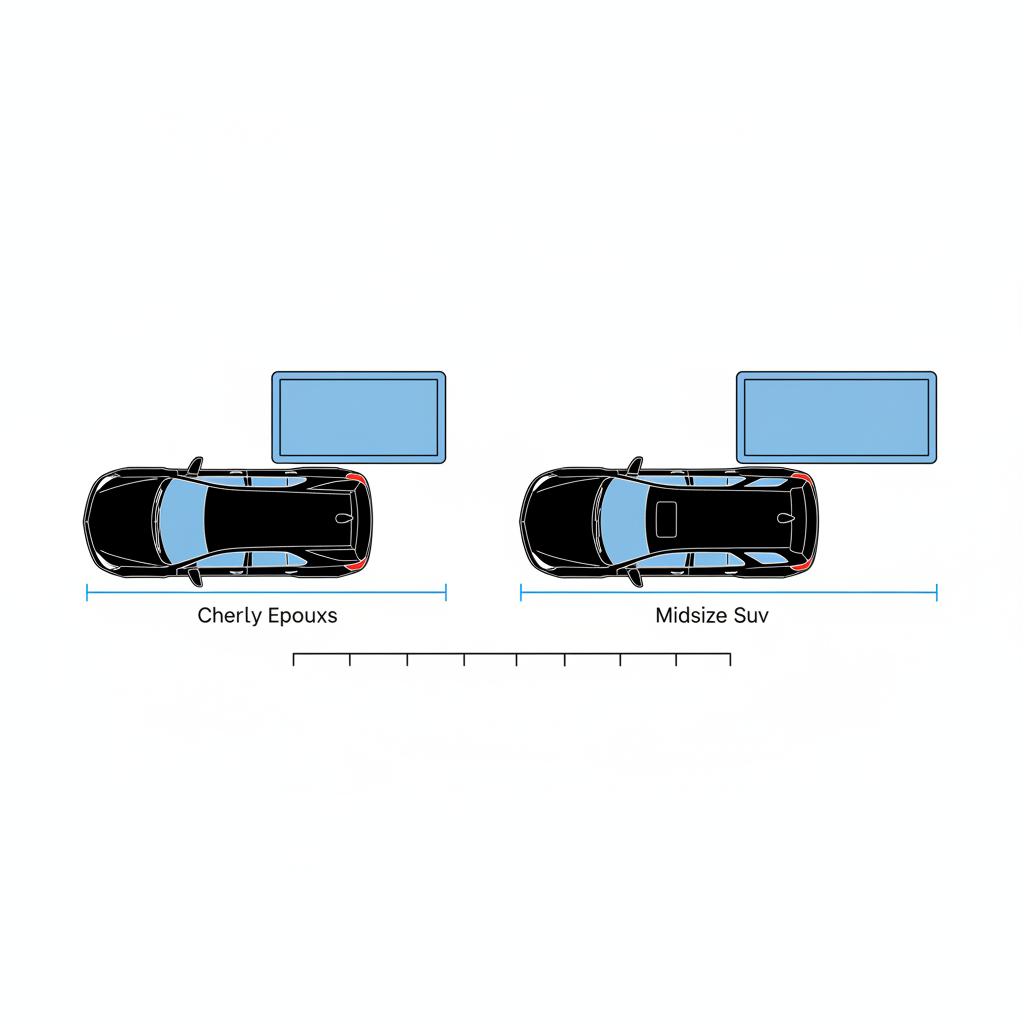
Rear-seat room is often more limited than in midsize SUVs, which can affect comfort for taller passengers on longer trips. If you regularly carry three adults across the rear seat, check rear legroom and width measurements for the exact model year.
Maneuverability is a common upside of compact models. A shorter exterior length and lighter curb weight tend to make urban parking and tight turns easier, and compact crossovers frequently post lower EPA combined mpg penalties compared with similarly powered midsize vehicles Fueleconomy.gov model pages.
Remember that these outcomes depend on powertrain and trim. An Equinox with a larger engine or all-wheel drive will change fuel consumption and curb weight versus a base front-wheel-drive configuration.
Comparing the Equinox to midsize SUVs: what to check side-by-side
When you compare the Equinox to a midsize SUV, focus on a short list of spec fields that predict daily fit: exterior length, wheelbase, passenger volume, cargo volume (both rear-seat up and max), rear legroom, and curb weight Edmunds specs. Local dealer specs are available on dealer pages 2026 Chevy Equinox Specs.
Compare EPA fuel-economy figures for the exact engine and drivetrain combination to see real differences in operating cost, and factor that into expected total cost to own for the vehicles you consider Fueleconomy.gov model pages.

Check IIHS and NHTSA ratings for the specific model-year and trim you plan to buy, because rating results and available safety equipment can change between years and trims and can influence which vehicle is the better choice for passenger protection IIHS vehicle ratings.
Use a side-by-side table or checklist that lines up each spec so you can see which model provides the space and fuel economy that match your priorities.
Decision checklist: when a compact Equinox meets your needs
If you prioritize daily commuting, tight parking, and lower running costs, a compact like the Equinox often makes sense. Compact crossovers tend to be easier to park and can cost less to operate for similar trip patterns.
Prefer a midsize model when you routinely need larger cargo volume, regular three-across rear seating for adults, or higher towing capacity. Midsize SUVs commonly provide more room and towing capability that support those use cases.
Before you buy, confirm the model-year specifications, EPA mpg for your chosen powertrain, IIHS and NHTSA safety ratings, and trim-specific cargo measurements for the vehicle you are evaluating Chevrolet specs.
Also review a vehicle history report and price analysis labels on listings to reduce risk and compare local pricing context before visiting a dealer.
Common mistakes shoppers make when deciding by size
One frequent error is relying only on a segment label. Because sources use different thresholds, a single model can appear in different groups depending on the dataset or rating program EPA vehicle size classification and footprint.
Another mistake is assuming cargo, passenger, or fuel numbers without checking the exact trim and model year. Trim-level options like all-wheel drive or a larger engine change weight and cargo performance, so do not generalize across trims Chevrolet specs.
Quick checks to avoid size and spec errors before purchase
Verify values for the exact model year and trim
Shoppers also skip official sources and rely solely on dealer listings or reviews. For critical comparisons consult EPA/fueleconomy pages and IIHS or NHTSA pages because they provide standardized measurements and test results Fueleconomy.gov model pages.
Practical scenarios: three buyer profiles and what to expect
Single commuter: If most driving is solo or with one passenger, a compact Equinox tends to be convenient. It is typically easier to park in urban areas and can have lower combined fuel consumption than many midsize alternatives when comparing similar engines Fueleconomy.gov model pages.
Small family: A family of four will usually find the five-seat layout acceptable, but cargo for strollers, sports gear, or longer trips may be constrained compared with midsize SUVs. Check the rear-seat volume and max cargo figures if you frequently travel with larger loads Edmunds specs.
Active weekend lifestyle: If you carry bikes, kayaks, or bulky gear, review cargo dimensions and roof or towing options. An Equinox may support roof racks and light towing in some trims, but for heavy trailer needs a midsize SUV commonly offers higher rated capacity. Consumer Reports also publishes ratings and specs that some shoppers consult Consumer Reports ratings and specs.
Each scenario underscores the same point: match exact specs to your routine needs and choose the vehicle class that fits those practical requirements.
Putting it together: final takeaways and next steps
Major consumer safety and spec sources generally treat the Equinox as a compact or small SUV, which helps set reasonable expectations about passenger and cargo space for many buyers IIHS vehicle ratings.
To confirm whether a chevy equinox suv fits your needs, follow a short action list: check Chevrolet model pages for exact exterior and cargo specs, consult EPA/fueleconomy pages for fuel-economy and footprint details, and review IIHS and NHTSA ratings for the model year and trim you plan to buy Chevrolet specs.
Use vehicle history reports and pricing insights on listings to compare local market context and identify risk signals before you contact a dealer.
If size classification is decisive for you, verify the numbers rather than relying on a single label. That approach reduces surprises and aligns choice with how you intend to use the vehicle.

Yes. Major consumer sources commonly list the Equinox in the compact or small-SUV group, but you should verify exact model-year specs for dimensions and cargo space.
A compact Equinox can work for small families, but cargo and rear-seat room are typically less than midsize SUVs, so check the trim-specific cargo volume for your needs.
Confirm manufacturer specs, EPA/fueleconomy pages for MPG and footprint, and IIHS or NHTSA for safety ratings for the specific model year and trim.
References
- https://www.iihs.org/ratings/vehicle/chevrolet/equinox-4-door-suv
- https://www.epa.gov/greenvehicles/vehicle-size-classification-and-footprint
- https://www.chevrolet.com/suvs/equinox
- https://www.edmunds.com/chevrolet/equinox/2025/specs/
- https://www.jdpower.com/cars/expert-reviews/2025-chevrolet-equinox-review
- https://www.fueleconomy.gov/feg/Find.do?action=sbs
- https://www.dellachevrolet.com/2026-chevy-equinox-overview.html
- https://carfaxdeals.com/run-report
- https://carfaxdeals.com/how-to-use
- https://carfaxdeals.com/vinreport
- https://carfaxdeals.com/pricing
- https://www.consumerreports.org/cars/chevrolet/equinox-ev/2025/ratings-specs/